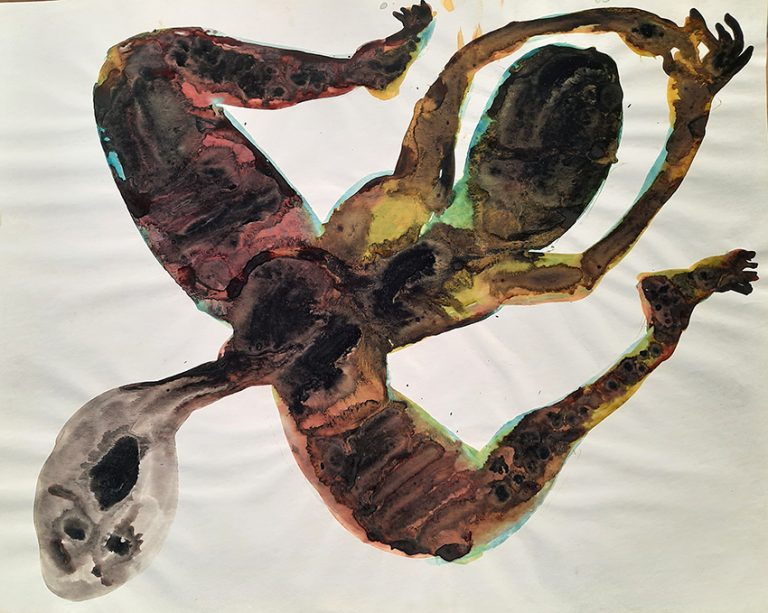
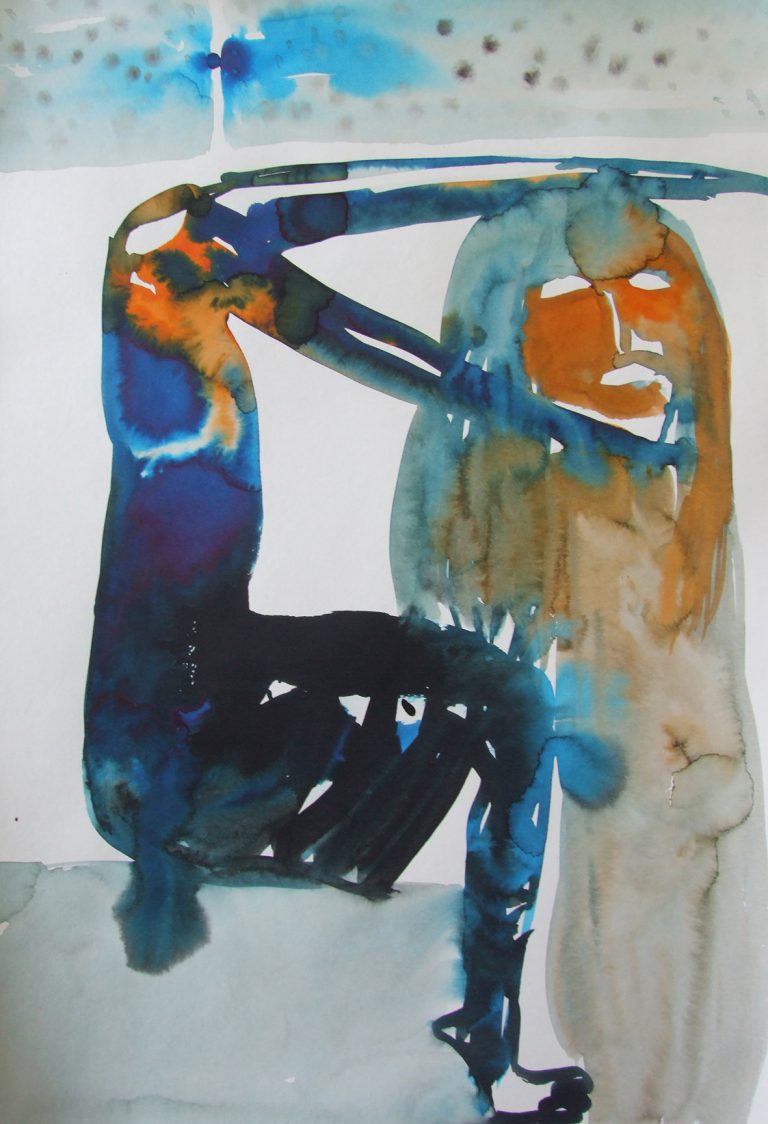
Inherited Garden is the title of my latest collection of paintings in the past few years. It has been an attempt at investigating and discovering various visual qualities based on history and nature. The endeavour started with objects such as plants, flowers and fruits and eventually found its way into other visual forms. My great passion for the world painting heritage and the visual roots of the world, combined with my ethnicity, have had an undeniable influence on my new collection.

The years 2020 and 2021 marked a profound transformation within my artistic evolution. A stronger inclination toward the use of color and the creation of large-scale compositions became defining characteristics of this stage. A renewed connection with nature—especially through floral forms and branches—combined with earlier elements such as busts, resulting in a fresher and more dynamic visual language.  The coiling bodies of snakes gradually evolved into the swirling, dance-like movements of flowers and stems.  Techniques such as wet-on-wet painting, multi-layering, and collage introduced greater vitality and motion into the compositions. This series was titled “Virgin”, reflecting my belief in the unparalleled beauty and perfect essence of nature as an inexhaustible source of inspiration.

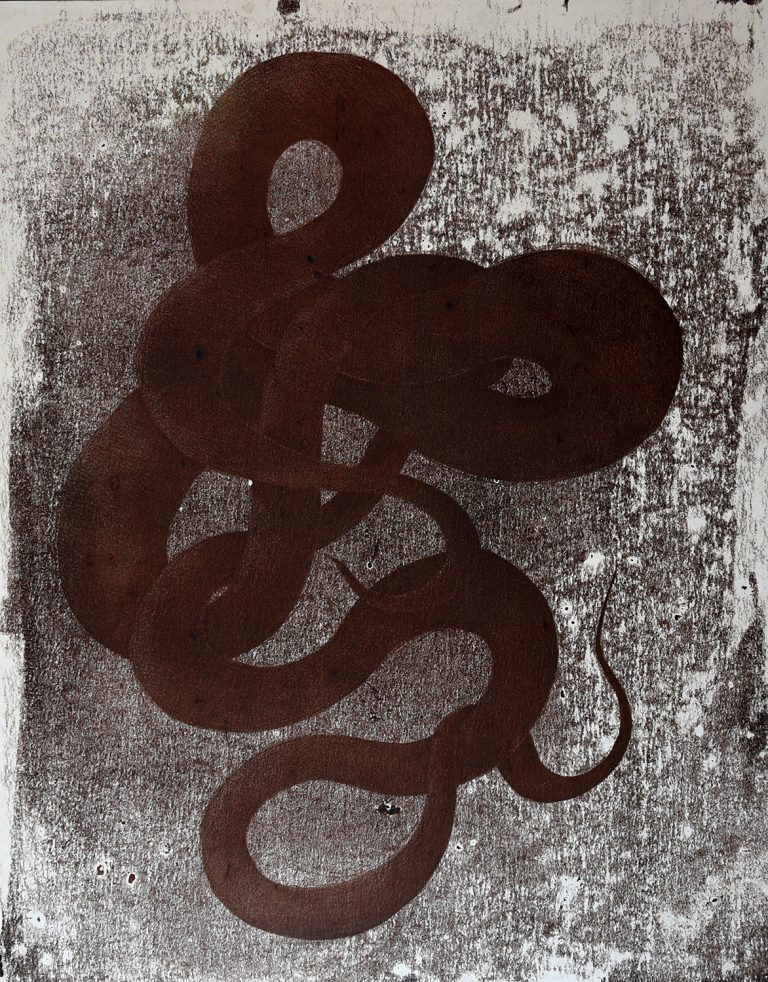
In 2019, snakes emerged as the dominant subject of my artistic exploration.
Their coiling, rhythmic, and dance-like forms resonated deeply with my enduring desire to draw soft, fluid, and continuous lines.
The monotype technique provided a particularly fitting means of expression, its visual qualities evoking an aesthetic connection to the art of ancient civilizations.
As in many of my other creative periods, this year also reflected a sustained study of sphinxes and busts and an ongoing engagement with the art of ancient Egypt, Greece, and Rome.

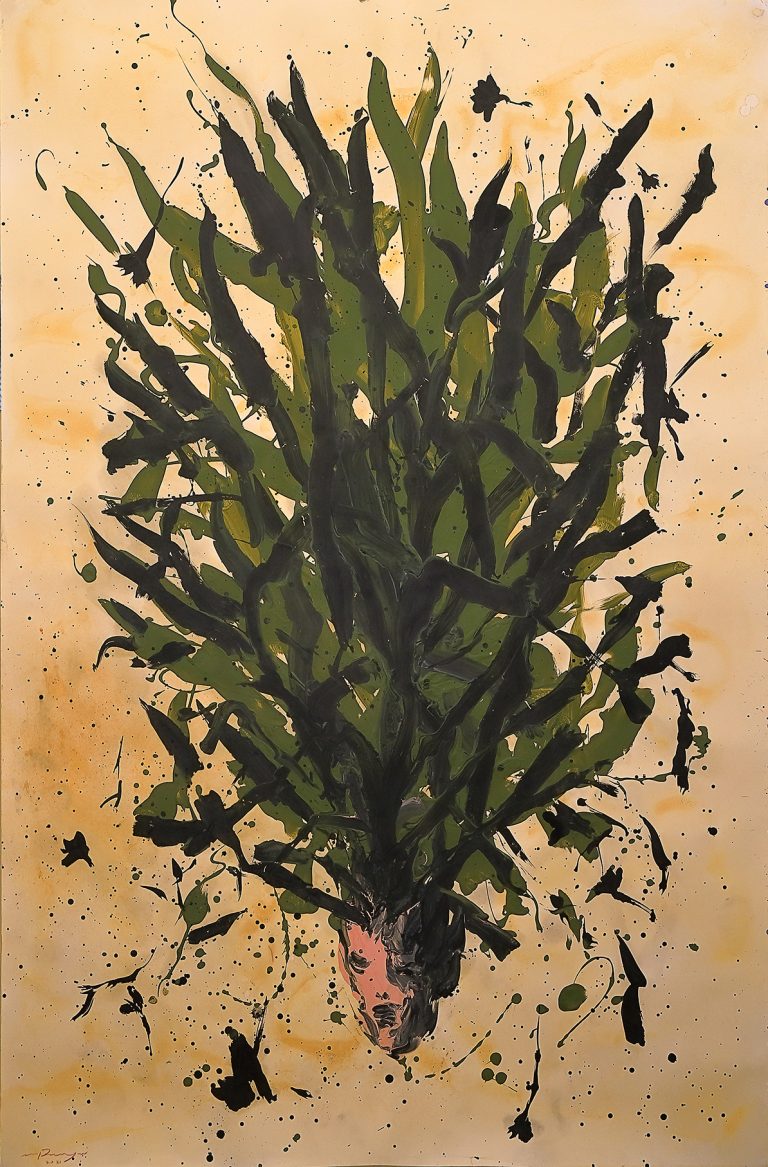
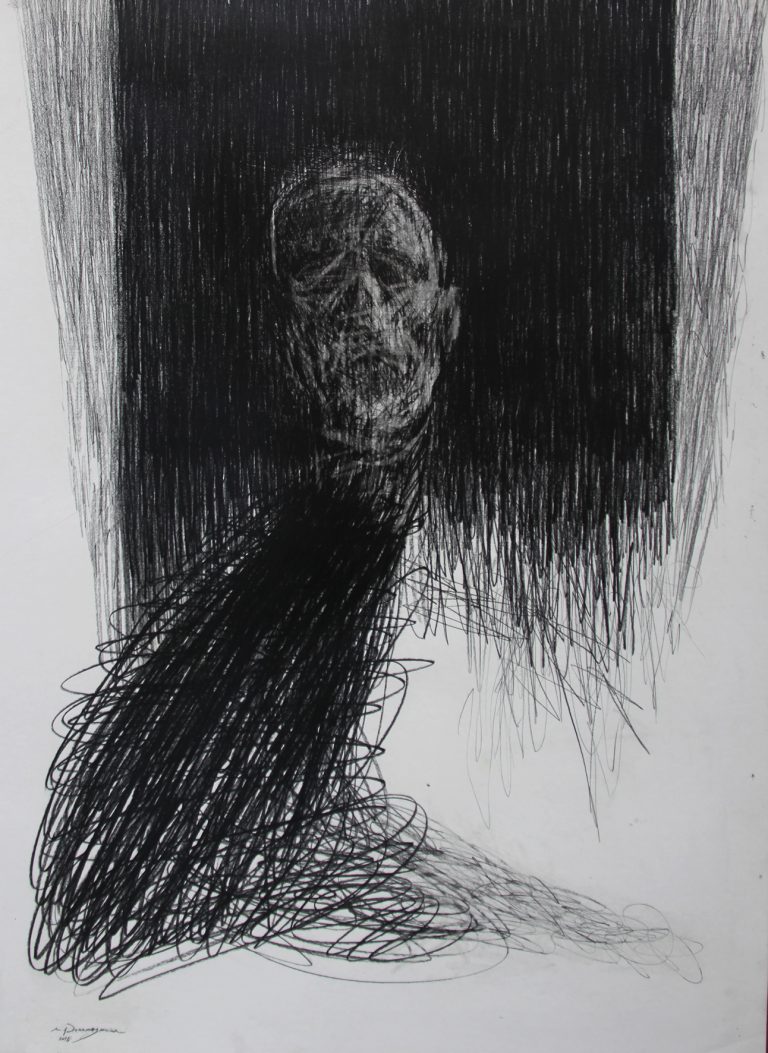
In 2018, busts, sphinxes, and masks—revisited through a renewed conceptual lens and diverse technical processes—became the central motifs of my work. Ink, monotype printing, acrylic, and interventions on photographs were among the primary techniques used in this phase, creating a dialogue between material experimentation and symbolic form.

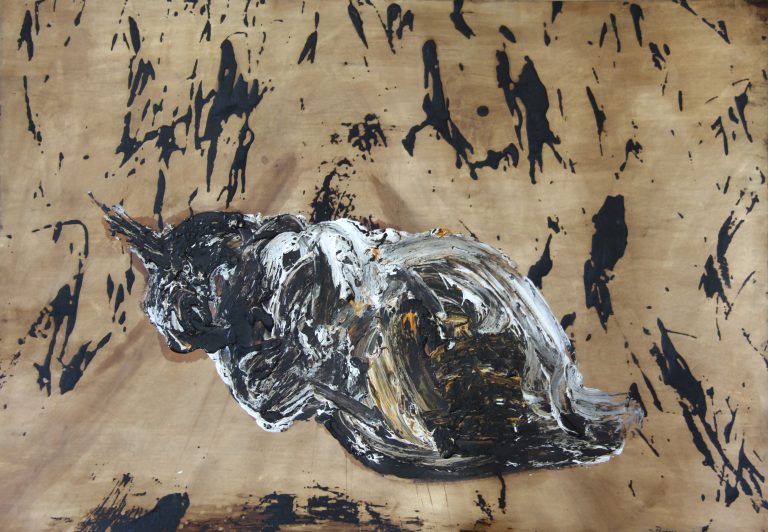
In late 2016 and early 2017, my artistic focus shifted toward drawing objects and still life.
Shells, with their delicate and intricate forms, became both the subject of visual study and the conceptual foundation for this period.
As in many of my earlier phases, I employed a combination of various tools and mixed techniques to explore new visual dimensions and expressive possibilities.

The year 2016 stands as one of the most significant and prolific phases in my artistic and research-based journey. a growing mastery of technical and compositional skills, along with a strong desire to experiment with diverse visual languages, allowed for extensive creative exploration.  In some series—such as “Father” and “Skull”—a more academic and structured approach to drawing emerged compared with previous stages.  “For Ignacio,” one of the most essential bodies of work from this year, was inspired by a poem by Federico García Lorca.  The death of my father and the emotional atmosphere that surrounded that period profoundly influenced the mood and visual language of many works from this time.

The various series created in 2015 continued the natural evolution of my drawing practice, largely driven by an ongoing curiosity and exploration of ancient and traditional art forms. During this period, I expanded the range of drawing tools and experimented with slightly larger formats. a clear interest in the depiction of sphinxes and hybrid beings—creatures that merge human and animal forms, or combine two animal species—is evident throughout these works. Two specific series from this year, “Abortion” and “Fuel,” explore different aspects of the human condition. The emphasis on expression, deformation, and exaggeration within these series highlights their connection to African art and the visual traditions of ancient and tribal cultures.

Simple scale; Wet-ointo-Wet is a general title encompassing several collections created in 2014. These works, mostly executed in ink, watercolor, or a combination of both, were produced on paper and cardboard in small formats. The foundation of these collections lies in my deep fascination with ethnic and tribal arts, sphinxes, and a kind of raw, intuitive approach to artistic creation.
The effortless, fluid handling of materials—particularly the movement of ink on paper—became the main reason for choosing such a title for this body of work.